Stay Comfortable Throughout Winter: Outstanding Winter Gear for All Endeavors
As winter arrives, the importance of picking the right gear becomes obvious. Quality insulated jackets, proven layering strategies, and essential accessories play a major role in keeping warm during outdoor activities. Correct footwear can boost safety and mobility in slippery conditions. Understanding these factors is crucial for anyone desiring to enjoy the season comfortably. Investigating the specifics of each category shows insights that can markedly shape winter events.
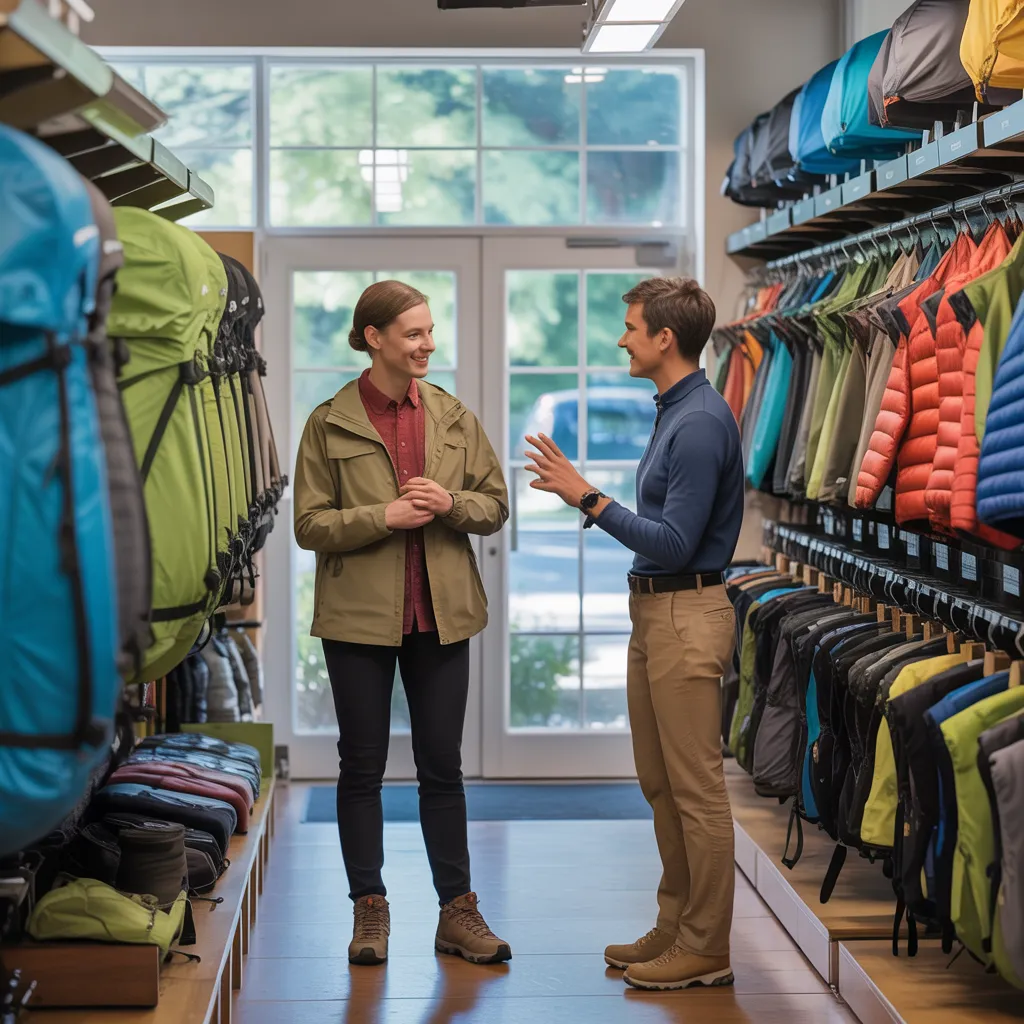
A Resource to Picking the Finest Heat-Retaining Jackets for Winter Engagements
When selecting the best winter coats for winter activities, one must evaluate various factors that influence warmth and comfort. Insulation type is essential; down insulation offers exceptional warmth-to-weight ratios, while synthetic alternatives function well when wet. The jacket's fit also matters, as a snug fit maintains heat better without sacrificing mobility.
Breathability is another essential aspect, allowing moisture from sweat to escape, thereby preventing chill. Look for jackets with water repellent or waterproof materials to keep dry in harsh conditions. Additionally, elements such as adjustable hoods, cuffs, and hems can enhance ease and functionality.
Weight and packability are important for those engaging in outdoor sports, where equipment must be lightweight and easy to transport. In the end, the right insulated jacket balances heat, mobility, and protection from the elements, ensuring an enjoyable winter experience in various activities.
Necessary Temperature-Control Equipment for Complete Coziness
Which important thermal gear can increase winter heat? High-quality thermal items are key in retaining body heat throughout the cold months. First off, a reliable pair of thermal gloves offers shielding and dexterity, ensuring fingers remain warm without compromising mobility. In addition, thermal hats are crucial because a considerable amount of body heat escapes through the head. A Yellowknife best Ski-Doos close-fitting beanie or balaclava can create a clear difference in warmth.
Additionally, thermal neck gaiters offer versatile coverage for the neck and face, blocking chilly winds. For those dedicating extended time outdoors, hand and toe warmers can deliver extra comfort, delivering heat when temperatures plummet. Finally, thermal socks made from moisture-wicking materials keep feet insulated and dry. Together, these accessories create a thorough approach to staying warm, allowing individuals to embrace winter activities without discomfort. Investing in these essentials guarantees a cozy and enjoyable winter experience.
Picking the Perfect Footwear for Winter Adventures
Selecting suitable shoes for winter adventures is vital for ease and protection. Proper insulation guarantees warmth in freezing temperatures, while grip and grip are crucial for maneuvering icy surfaces. Furthermore, moisture resistance shields against water, keeping feet dry and comfortable during winter pursuits.
Thermal Protection For Cold Weather
Making the suitable shoes for winter quests is essential for ensuring comfort and safety in cold conditions. Insulation constitutes a key part in sustaining warmth, as it functions to contain heat while allowing moisture to depart. Quality winter boots regularly feature materials like Thinsulate or equivalent synthetic insulations, providing solid heat protection. When choosing footwear, people should consider the thickness level, as thicker insulation can present heightened warmth but may constrain room for movement. Proper fit is crucial; boots should allow for warm, thick socks without causing discomfort. Additionally, waterproofing is important to keep feet dry in snow and slush. To summarize, committing resources to thermally insulated winter footwear can markedly enrich outdoor experiences during colder months.
Traction and Traction Outlined: Key Elements
While thermal protection is necessary for warmth during winter activities, grip and holding power are also important for safety and stability. Choosing the right footwear can make a significant difference when walking over frozen or snow-covered terrains. Shoes and boots meant for winter should contain special soles with deep grooves to increase grip on slick ground. Additionally, materials that supply flexibility and comfort while keeping support are crucial for preventing accidents. Brands frequently include technologies that enhance traction, such as rubber compounds created for winter climates. Ultimately, selecting footwear with ideal traction not only raises performance but also lowers the risk of injury, giving individuals the ability to completely experience their winter adventures with confidence.
Waterproofing For Wet Conditions
When dealing with wet winter conditions, it is crucial to emphasize waterproofing in footwear to guarantee comfort and protection. Selecting the right waterproof boots can significantly enhance outdoor experiences, whether trekking through snow-laden trails or maneuvering through rainy city streets. Key attributes to consider include breathable membranes, like Gore-Tex, which allow moisture to escape while keeping external water at bay. Additionally, a sealed construction, such as welded seams, further enhances waterproof capabilities. Insulation is also vital; boots should retain warmth without compromising breathability. Finally, tread patterns designed for varied terrains provide stability and grip. By carefully choosing waterproof footwear, adventurers can assuredly embrace winter activities, ensuring dry feet and overall comfort during their outings.
What's the Best Way to Layer Garments for Winter Comfort?
Layering strategically is crucial for maintaining comfort during winter pursuits. The choice of a appropriate base layer is important for dampness control, while the outer layer provides required defense against breezes and rainfall. Comprehending these components can greatly enhance one's winter enjoyment.
Fundamental Base Layer Information
A dependable base layer is essential for sustaining warmth and comfort during cold-weather pursuits. It acts as the primary protection against frigid conditions, efficiently managing moisture and maintaining body heat. Made from fabrics such as merino wool or synthetic fabrics, a quality base layer should sit closely against the skin without being tight. This snug design helps trap warmth while wicking sweat away, maintaining the wearer moisture-free and at ease. It is vital to select a base layer appropriate for the intensity of exercise; thinner varieties are ideal for vigorous activities, while heavier fabrics work for more sedentary situations. Using the proper base layer can greatly enhance overall cold-weather capability and satisfaction, ensuring a better experience in frigid weather.
External Layer Choices
Selecting the appropriate top garment is crucial for winter warmth, as it serves as the main shield against severe conditions. Effective layering requires choosing materials that deliver thermal protection, air circulation, and waterproofing. Options such as insulated jackets, softshells, and waterproof shells suit various pursuits and situations. Insulated jackets trap heat while maintaining lightweight comfort, perfect for cold, dry days. Softshells offer adaptability and wind resistance, appropriate for active pursuits. Waterproof shells are necessary for wet conditions, guaranteeing dryness without compromising breathability. When layering, it is important to consider fit, permitting space for movement and additional layers underneath. This deliberate approach maximizes warmth and comfort, enabling individuals to enjoy winter activities without compromise.
Best Winter Apparel for Skiing and Snowboarding
When attacking the slopes, selecting the right equipment is essential for both safety and pleasure. Skiers and snowboarders should stress a well-fitted helmet to safeguard against head injuries, while goggles with UV protection maximize visibility in varying weather conditions. A quality base layer removes moisture away from the skin, keeping individuals moisture-resistant and warm. Mid-layers, such as fleece or insulated jackets, deliver significant warmth without bulk.
For outer layers, water-repellent and breathable jackets and pants are imperative for resisting snow and wind, ensuring comfort throughout the day. Additionally, specific ski or snowboard gloves or mittens provide skillfulness and insulation, while thermal socks keep feet warm. Finally, selecting appropriate ski or snowboard boots with a snug fit enhances control and stability. Together, these elements create a safe and enjoyable experience on the slopes, allowing enthusiasts to fully embrace winter sports.
Fashionable Winter Clothing That Maintains You Warm
Although maintaining warmth during winter is essential, it doesn't mean sacrificing fashion. This season, chic winter clothing blends functionality with chic designs. Key pieces include tailored coats, which not only provide warmth but also enhance a polished look, making them ideal for both casual outings and formal events. Layering is crucial; stylish cashmere sweaters or turtlenecks beneath a sleek outer layer provide heat without compromising aesthetics.
Accessories serve an important purpose in winter fashion. Trendy neck scarves, wool hats, and gloves are available in various patterns and shades, allowing individuals to display their distinctive aesthetic while staying comfortable. Footwear, such as insulated ankle boots, blends warmth with current fashion, ensuring comfort throughout the day.
Ultimately, today's seasonal style allows individuals to navigate cold climates confidently, demonstrating that comfort and style can harmoniously coexist. Style-conscious buyers can welcome the chill while expressing their personal flair.
Best Practices for Maintaining Your Winter Gear for Maximum Longevity
Maintaining winter gear is crucial for guaranteeing its durability and continued performance in severe conditions. Frequent cleaning is important; many fabrics need specific cleaning techniques to preserve their thermal protection and water resistance. Users should always check care labels and adhere to recommended washing instructions, usually using cold water and mild detergents.
After washing, it's important to air-dry gear instead of using a dryer, which can harm fabrics. Storing winter gear correctly is also essential; items should be stored in a cool, dry place, distant from sunlight, to prevent mold and fabric damage.
Evaluating gear for wear and tear is another key method. Immediately addressing any damage, such as loose seams or slight rips, can prevent further breakdown. Finally, implementing effective waterproofing treatments periodically will help sustain equipment capability against the environment. These easy steps can considerably prolong the longevity of winter equipment, ensuring it remains dependable year in and year out.
Frequently Asked Questions
Which Materials Give the Most Suitable Thermal Protection for Winter Gear?
Down, synthetic fibers, and wool rank among the best fabrics for insulating winter gear. Down delivers a superb warmth-to-weight ratio, while synthetics offer moisture resistance. Wool performs well in thermal regulation and keeps warmth even when damp.
How Can I Find Out My Winter Gear Size?
To ascertain winter gear size, one should check the manufacturer's sizing chart, obtain accurate body measurements, and assess layering options. Trying on gear with intended clothing can also help guarantee a proper fit and comfort.
Can I Wear Summer Equipment in Mild Winter Weather?
Summer equipment can be used in mild winter weather when temperatures stay above freezing, making it viable. Nevertheless, the lack of insulation and protection against wind or moisture might diminish your comfort and safety during outdoor activities.
Discover the Leading Brands for Seasonal Outerwear
Some of the best brands for winter gear feature Patagonia, The North Face, Columbia, Arc'teryx, and Marmot. These brands are acclaimed for their craftsmanship, durability, and performance in cold weather conditions across various outdoor activities.
What Times Should I Change My Winter Gear?
Cold weather equipment should typically be replaced every three to five years, based on usage and wear. Frequent inspections for reduced effectiveness or damage to insulation can help identify the right time for replacement, ensuring superior warmth and protection.